Riseset, Victory of the Sun
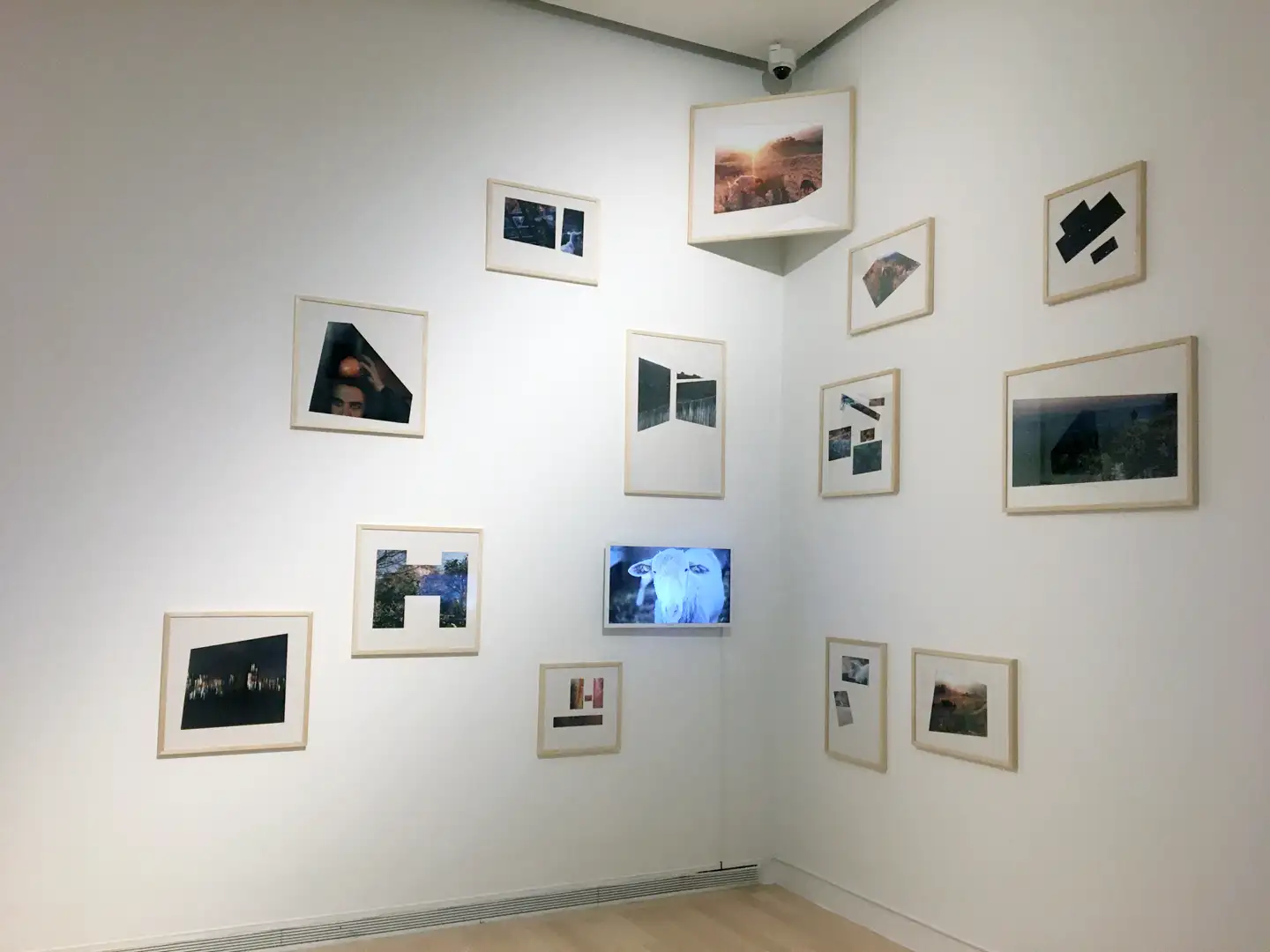
Riseset, Victory of the Sun revisits the utopian ambitions of the Russian avant-garde through the lens of lived experience. The installation takes as its point of departure Kazimir Malevich's Suprematism and the 1913 Futurist anti-opera Victory over the Sun by Aleksei Kruchonykh, Velimir Khlebnikov, Mikhail Matyushin, and Malevich. Conceived as a manifesto for a new world, the opera celebrated technology's victory over nature and the past, while Malevich's monochrome geometries abandoned representation in favour of pure perception and abstraction.
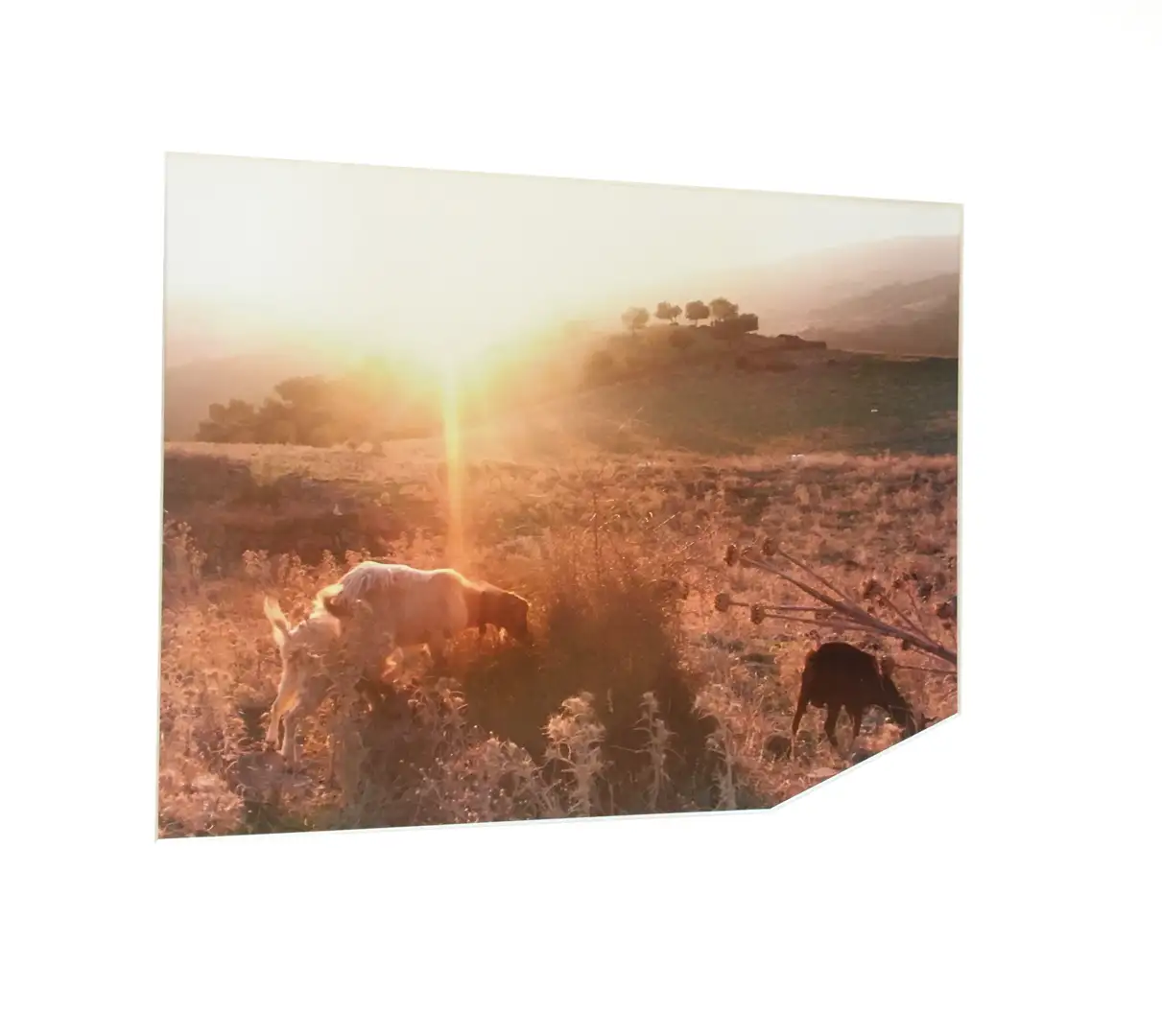
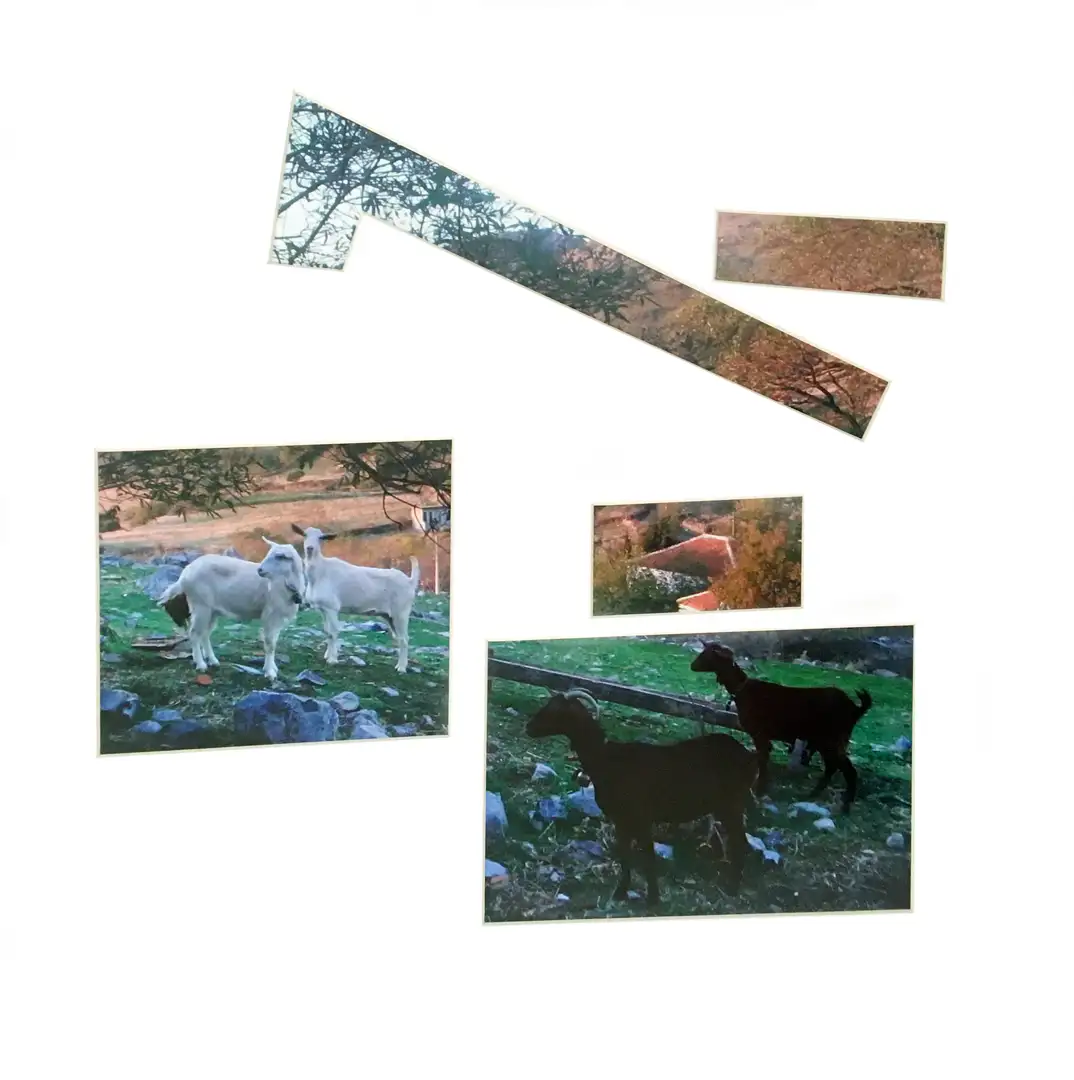
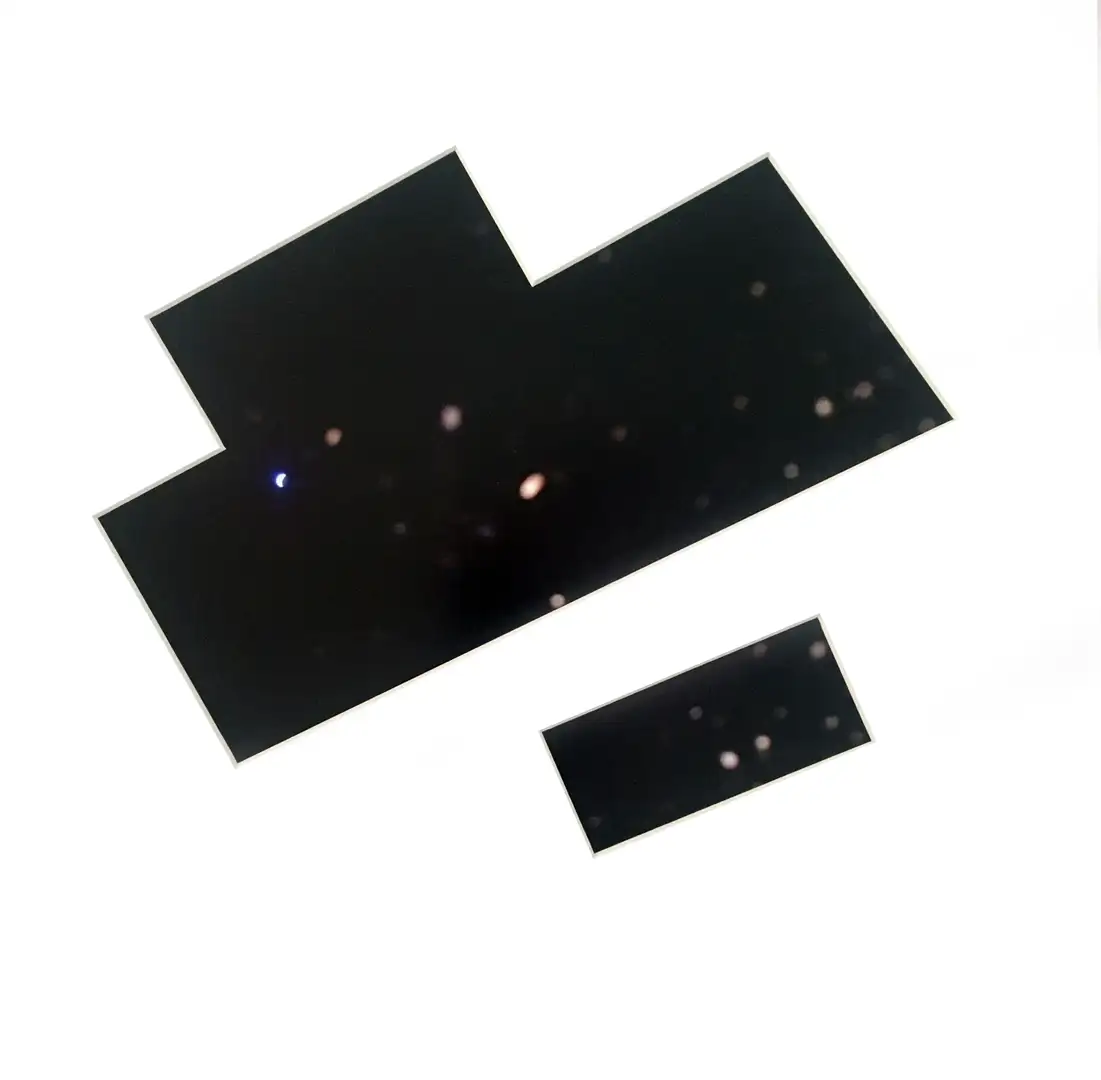
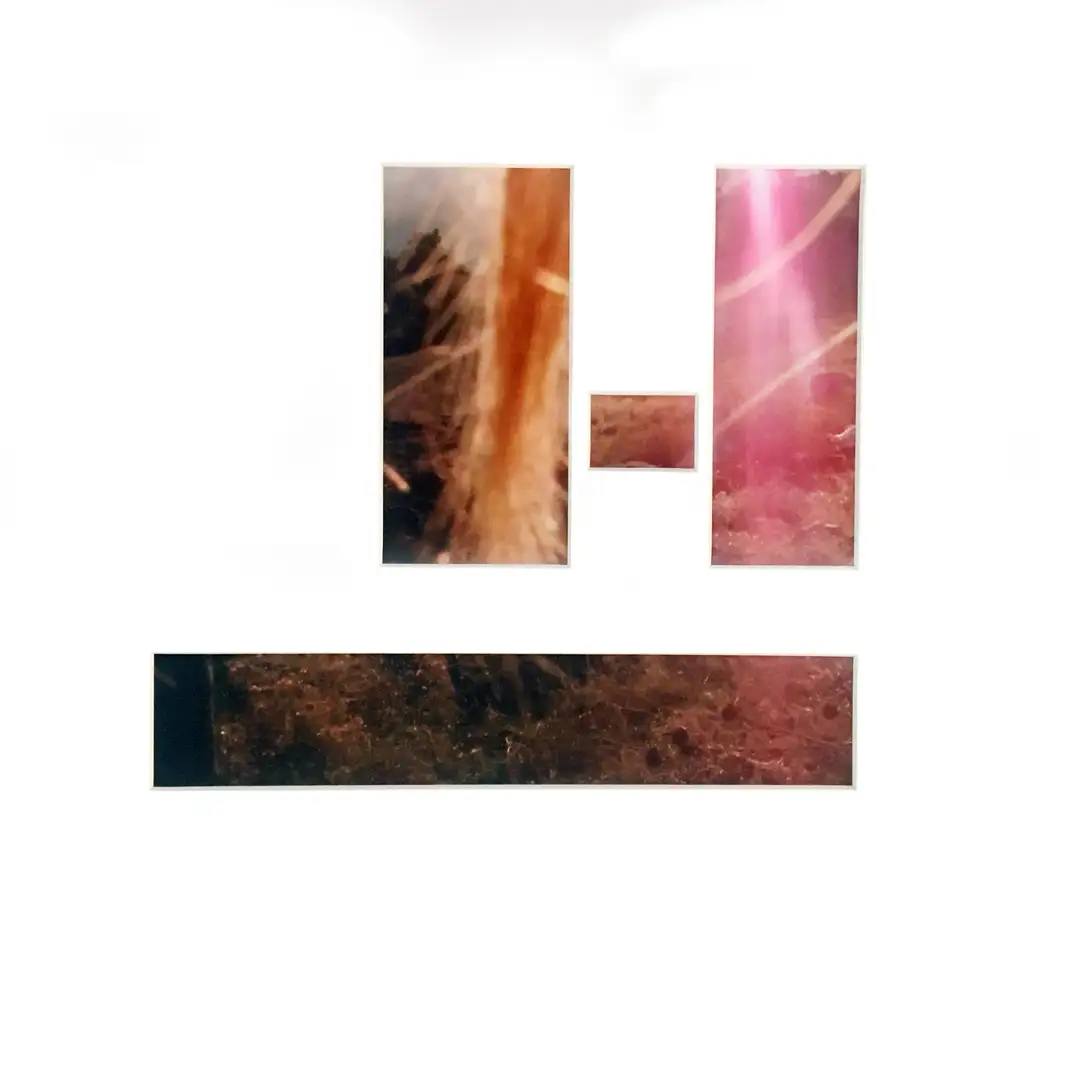
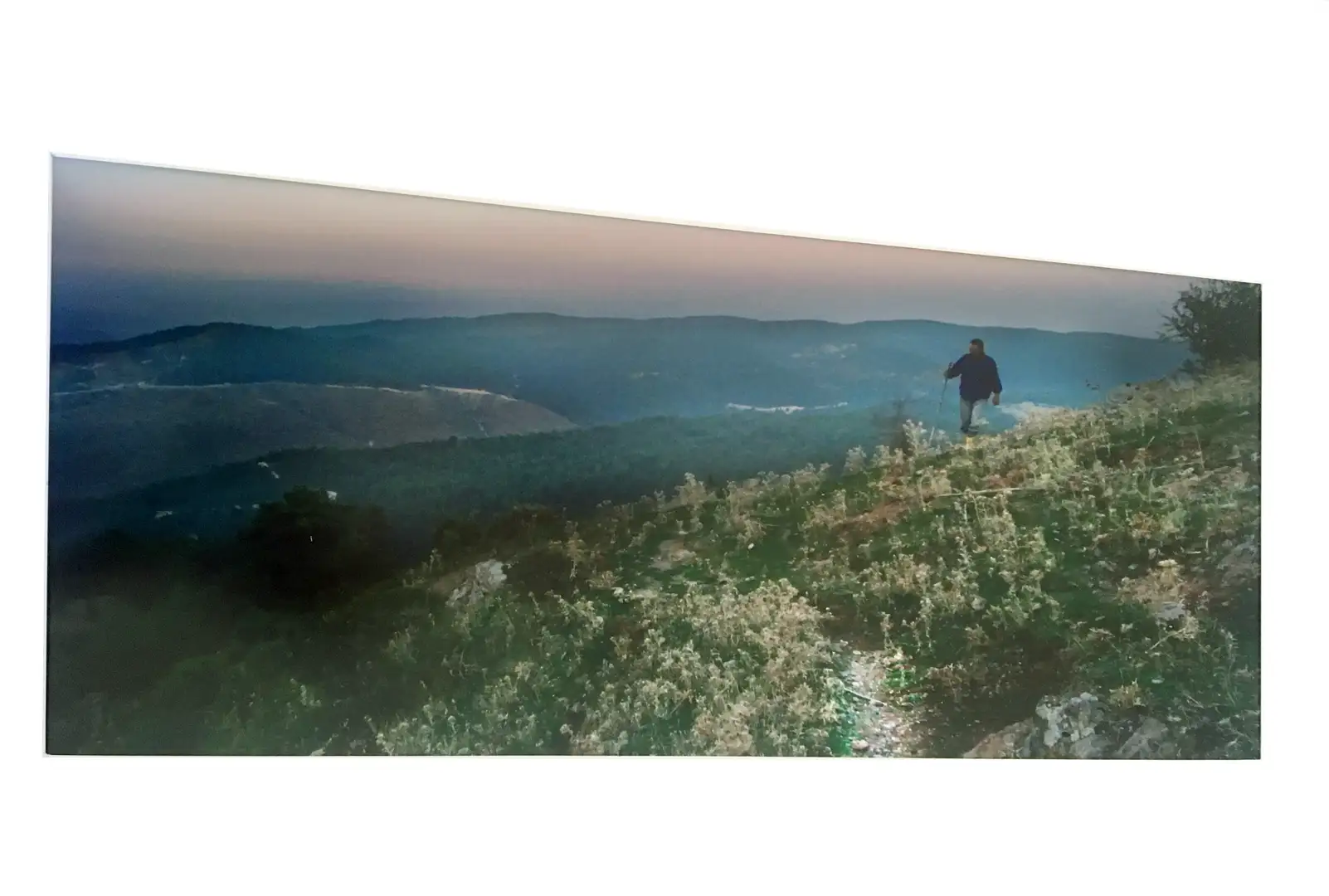
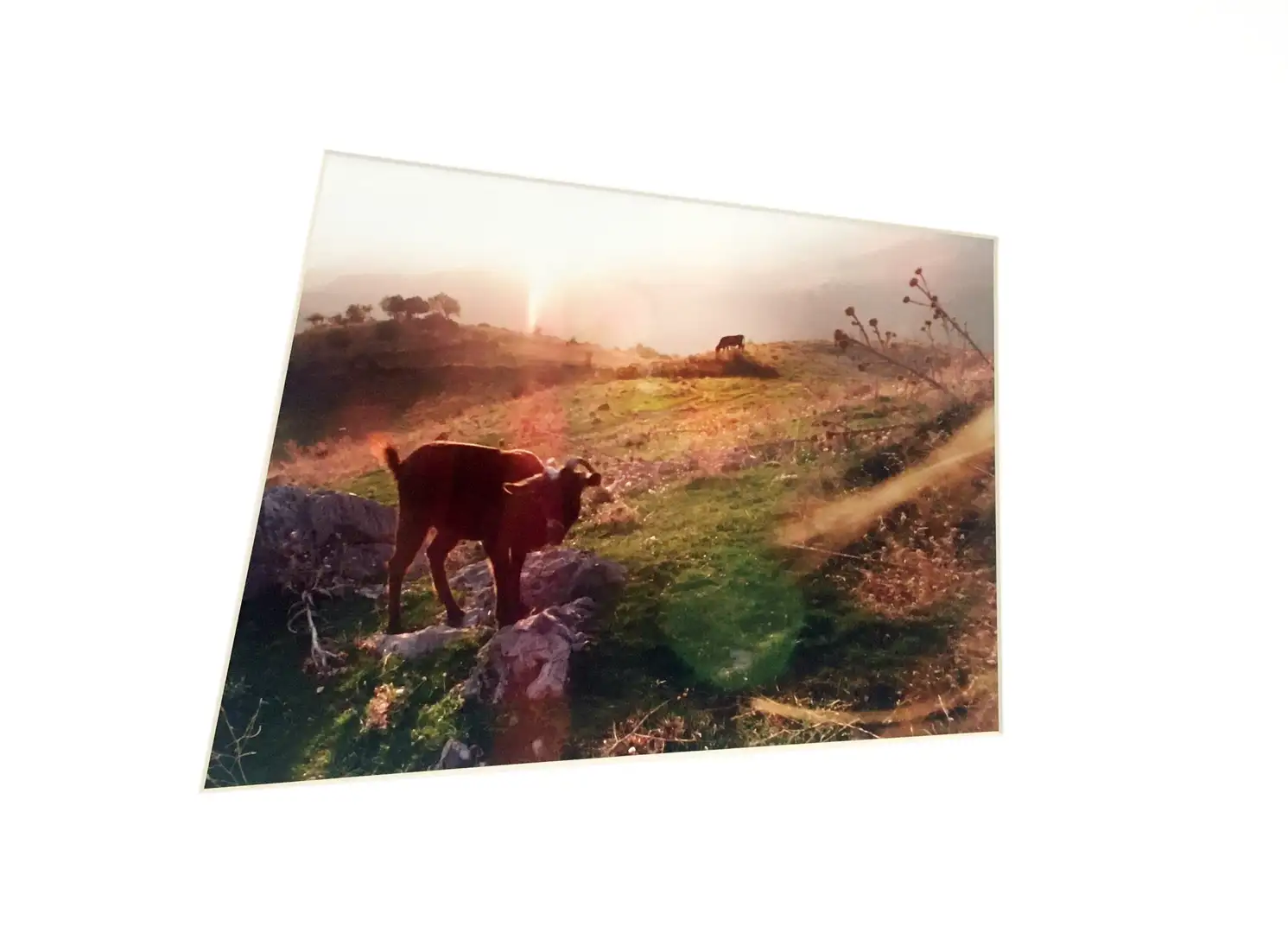
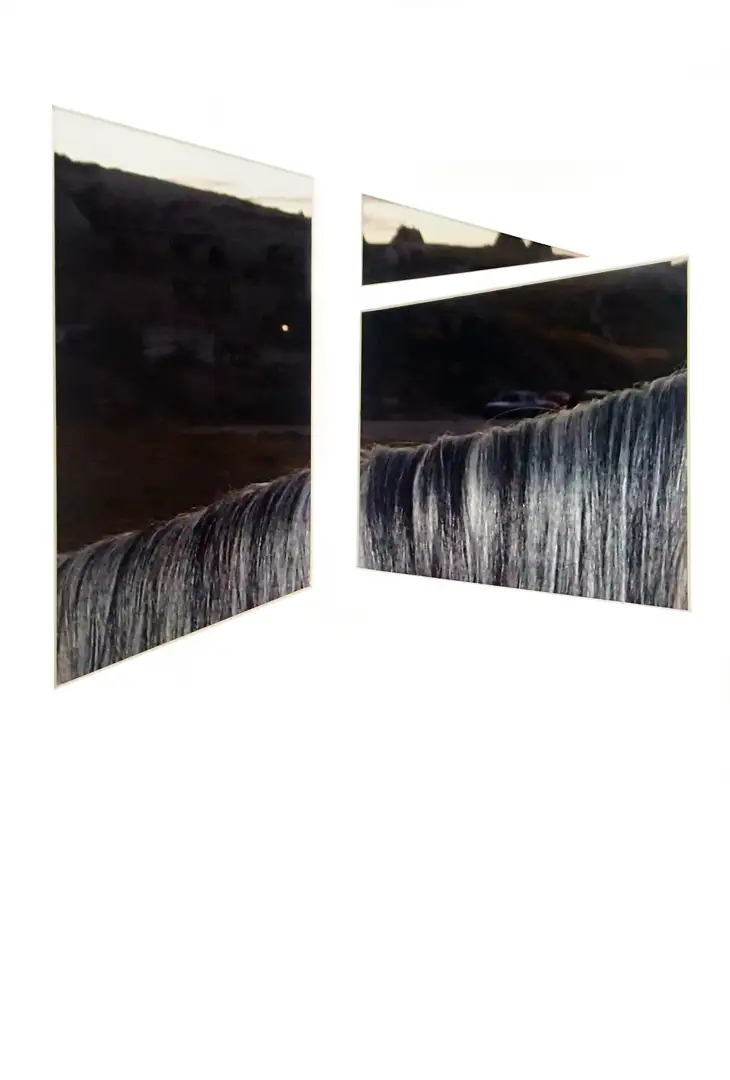
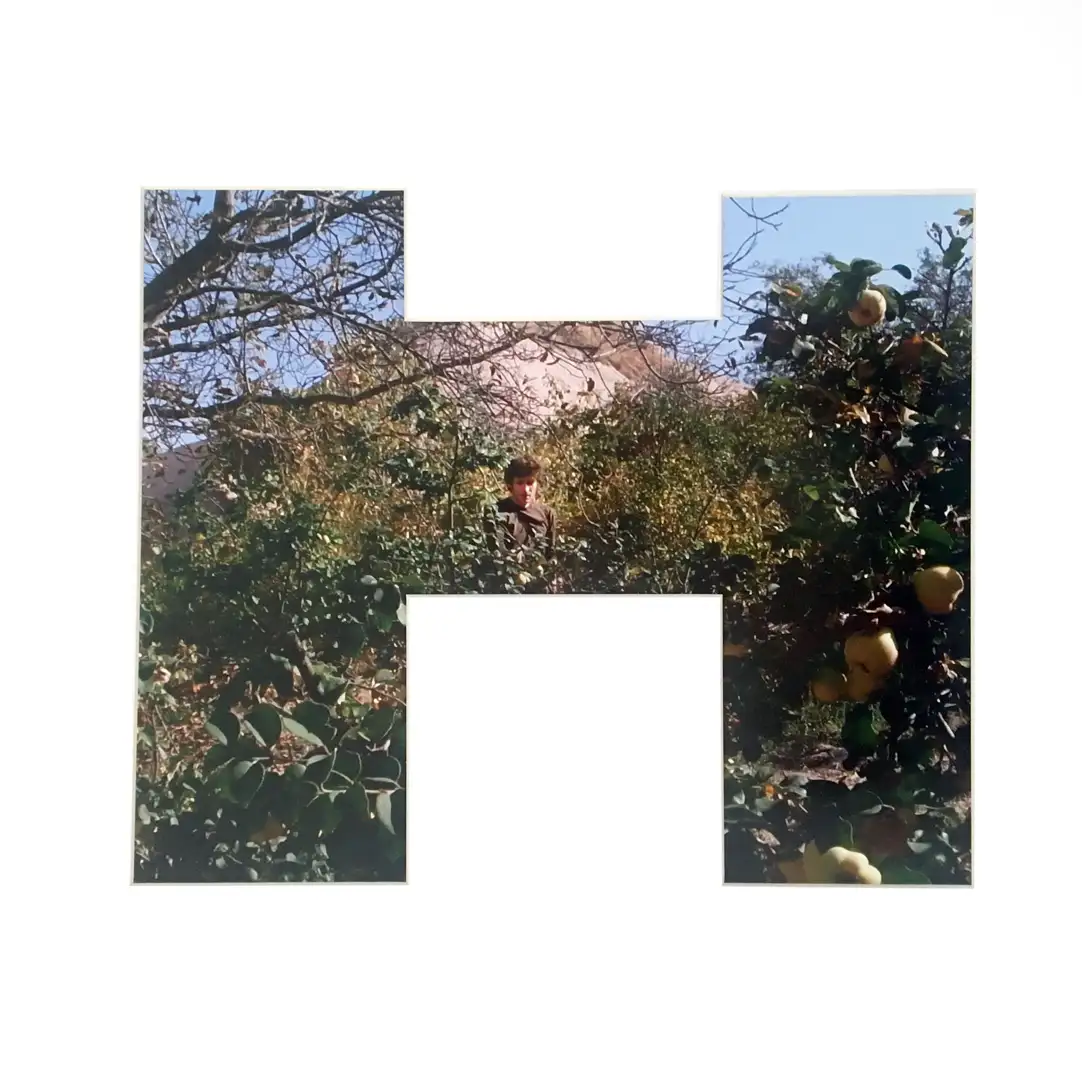
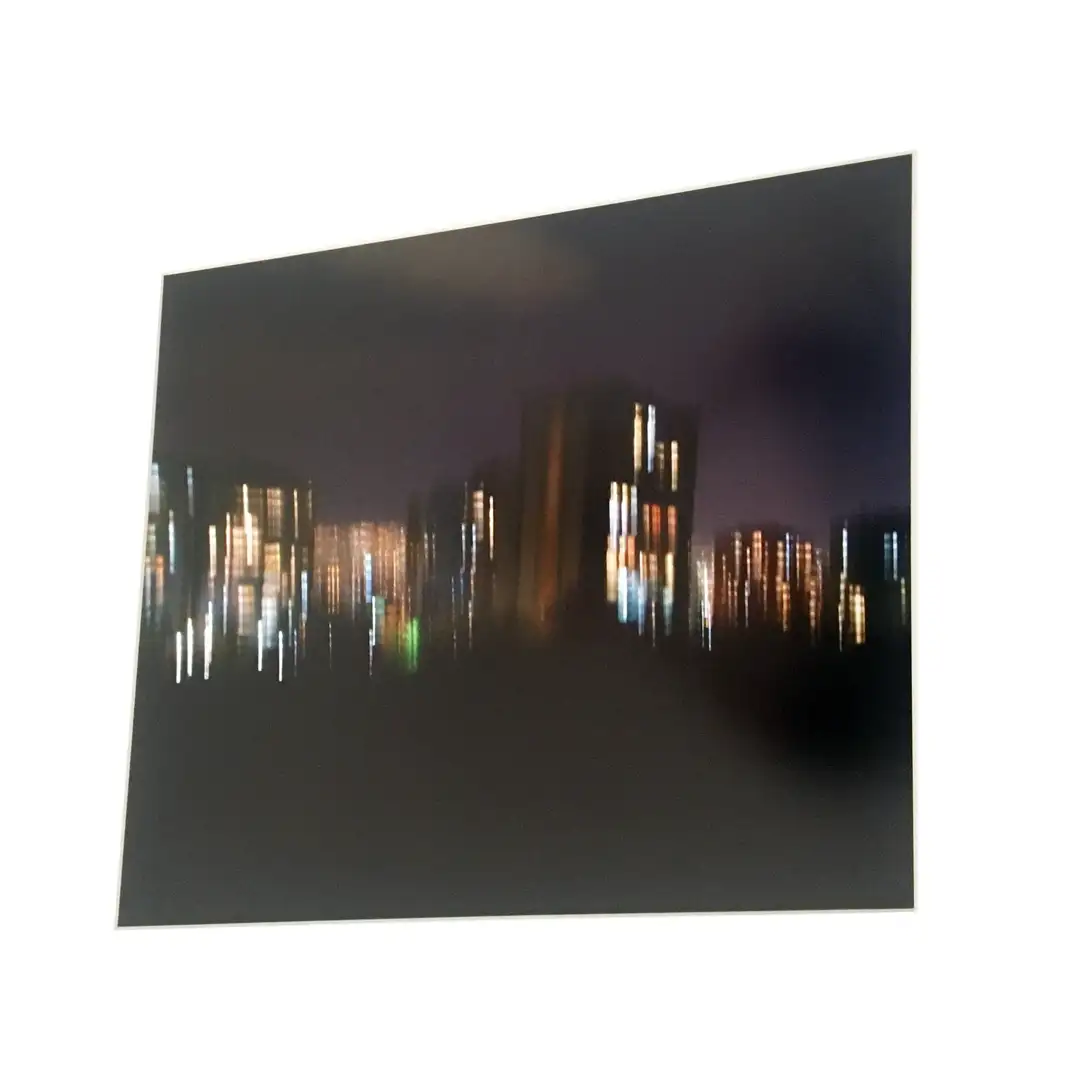
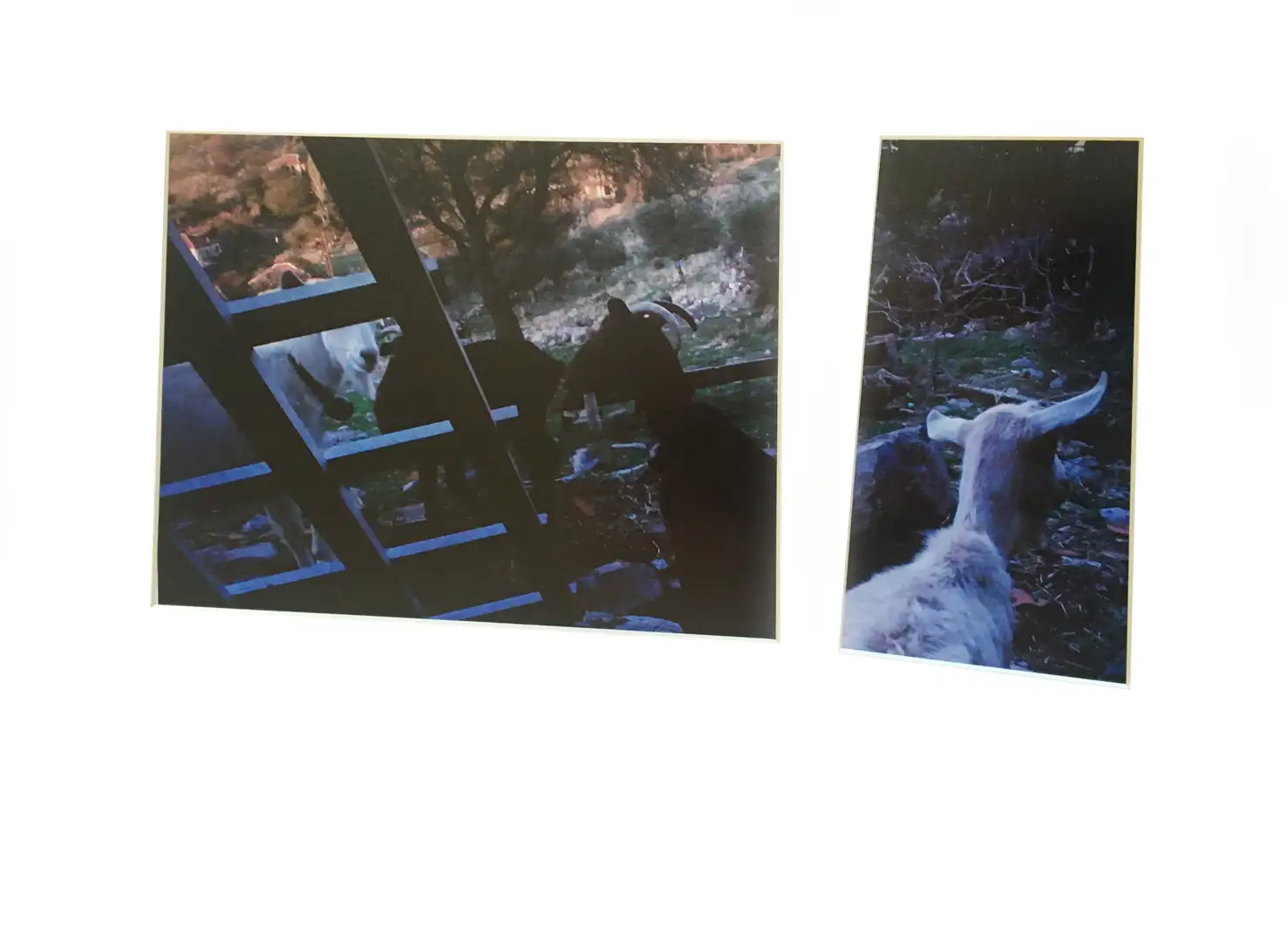
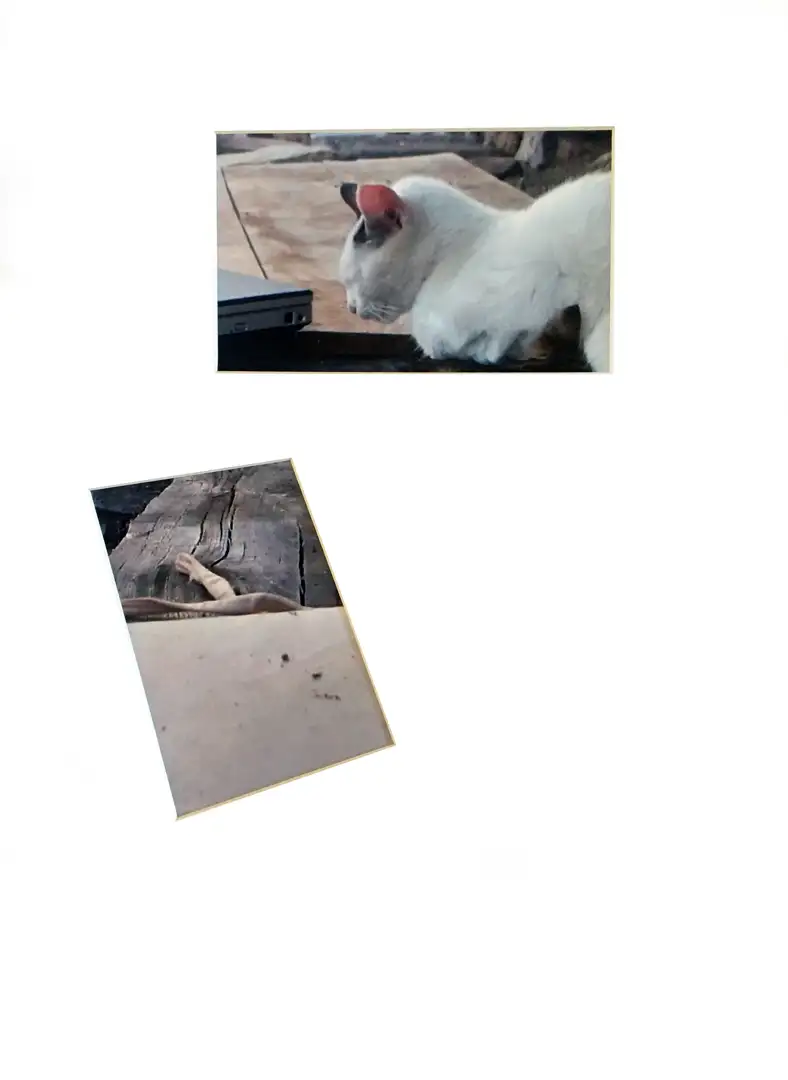
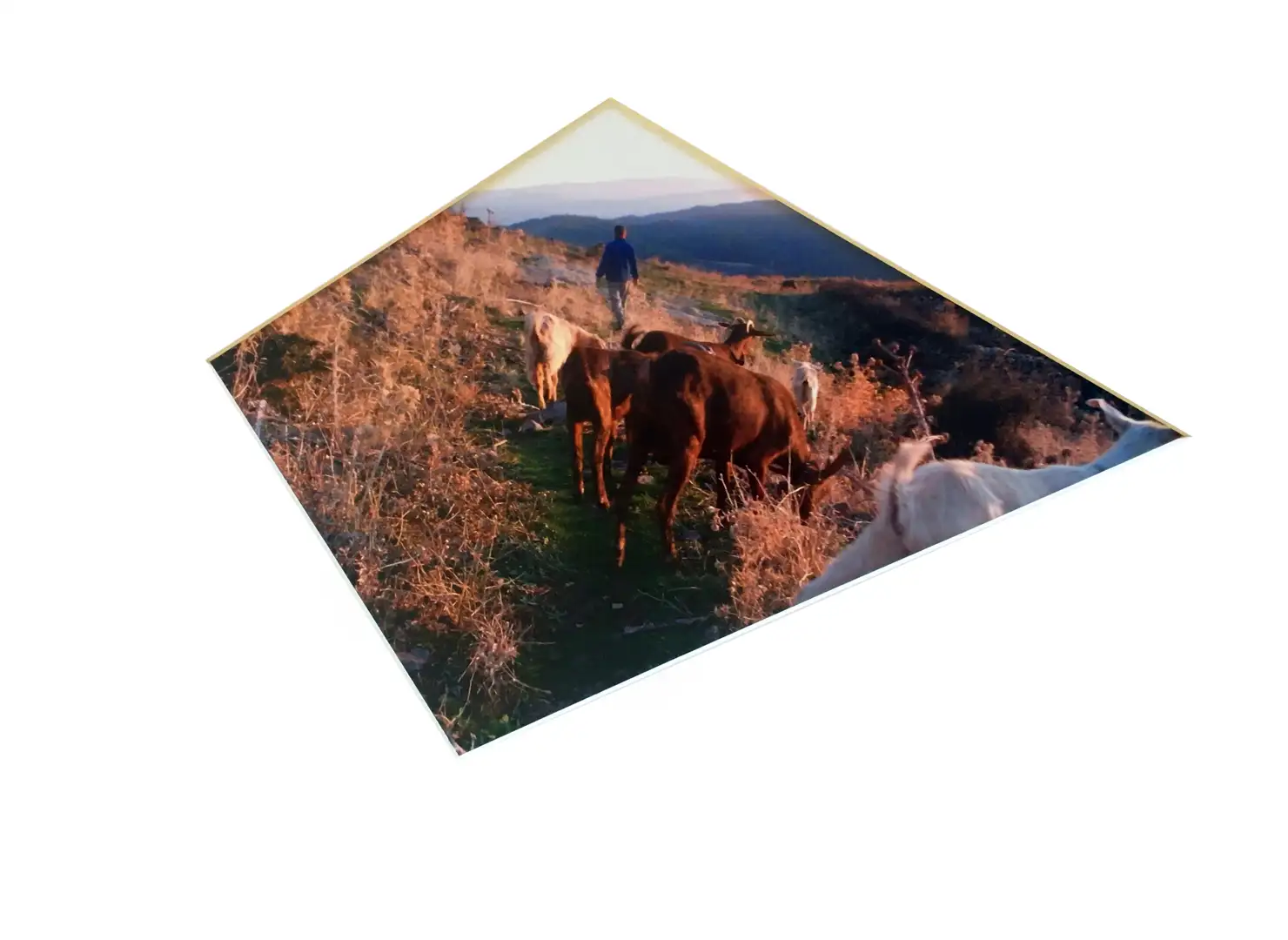
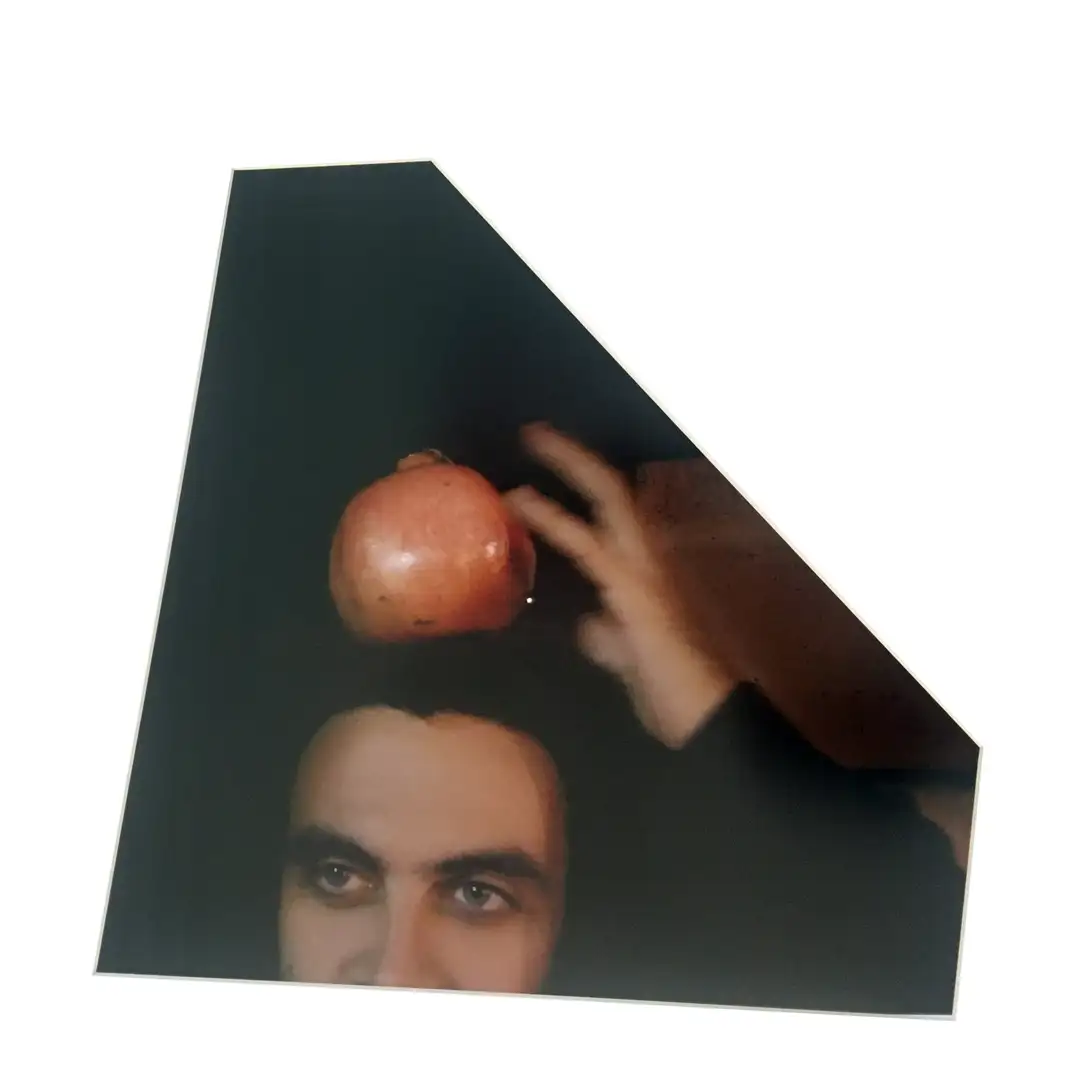
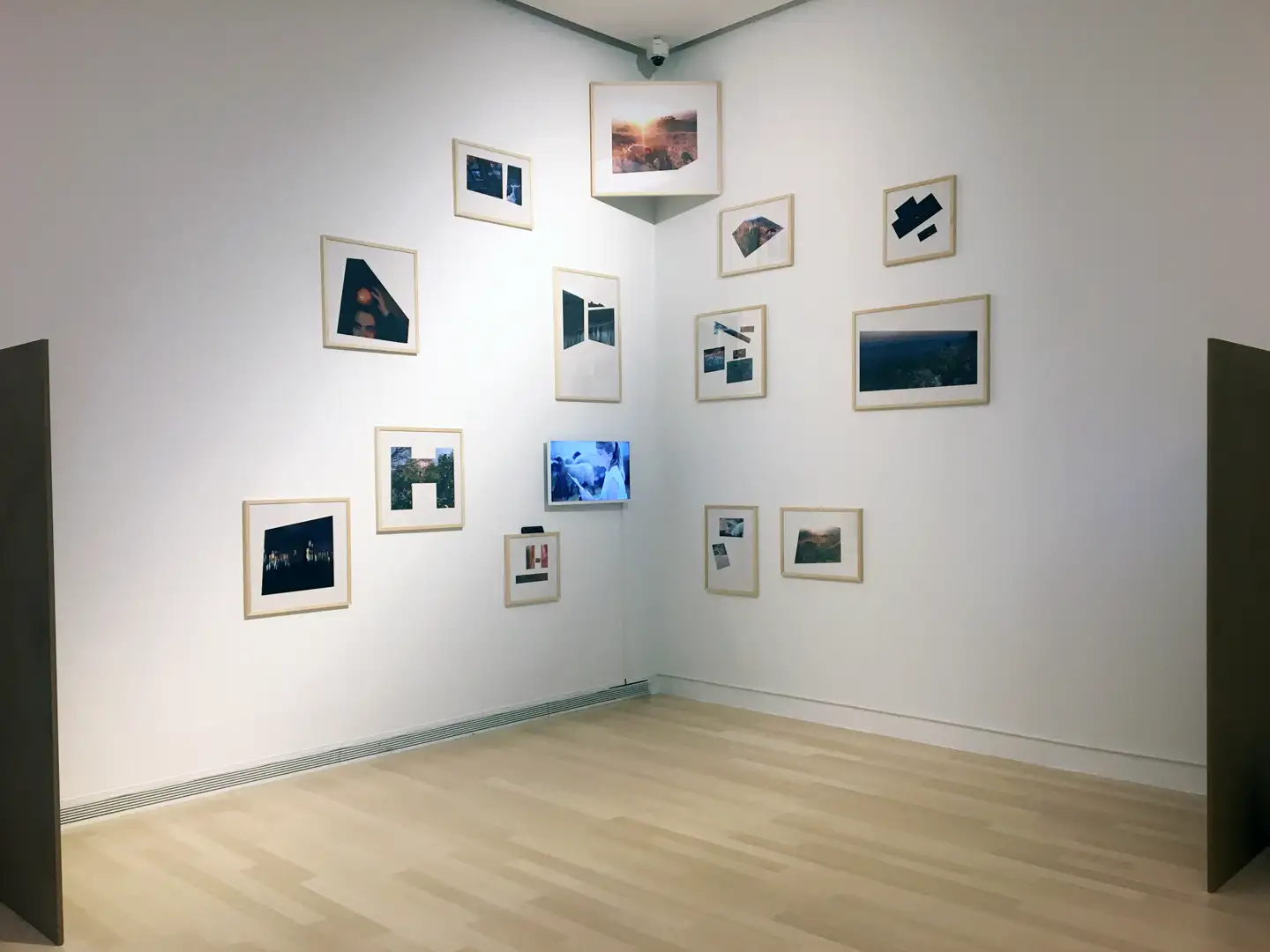
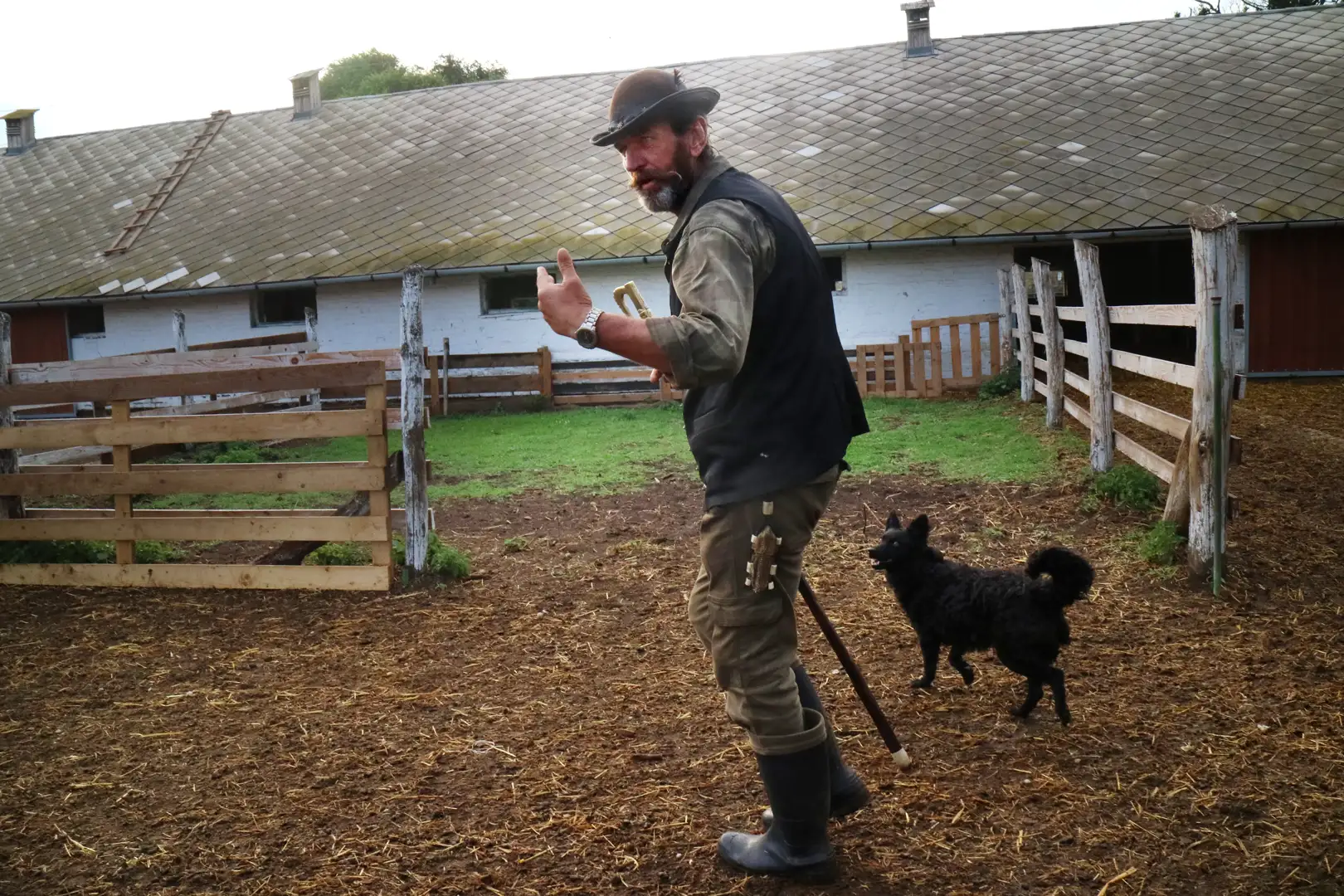
The work challenges this modernist vision through my own experience of living as a goat shepherd in a self-organized eco-village in western Turkey in 2009. There, daily life was structured by sunrise and sunset, the movement of animals, and seasonal rhythms rather than by the technological future imagined by the Futurists. Instead of accepting nature as something to be overcome, the installation returns it to the centre of perception. Malevich's abstract squares are reimagined as windows onto a landscape in which human and non-human life once again become visible.
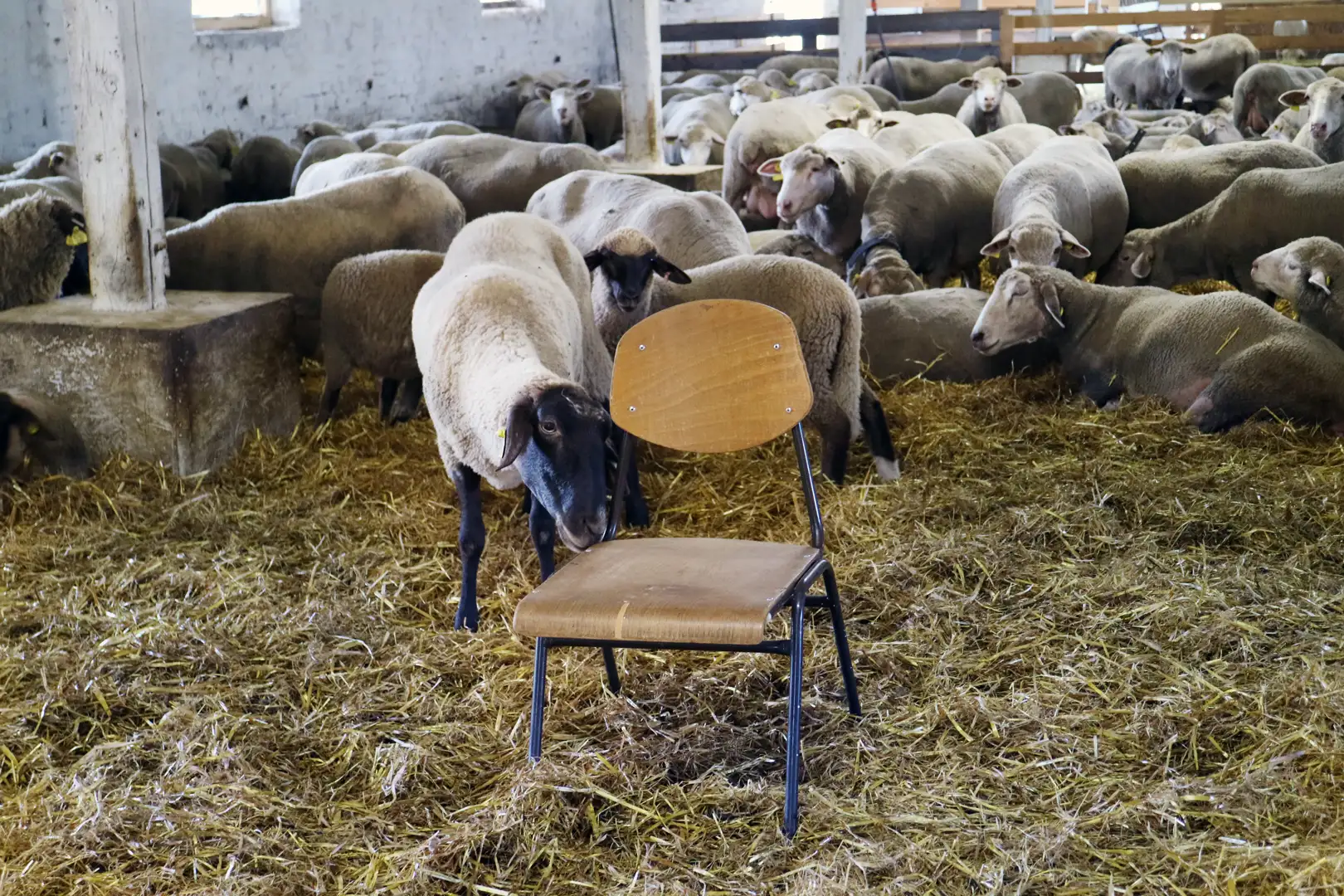
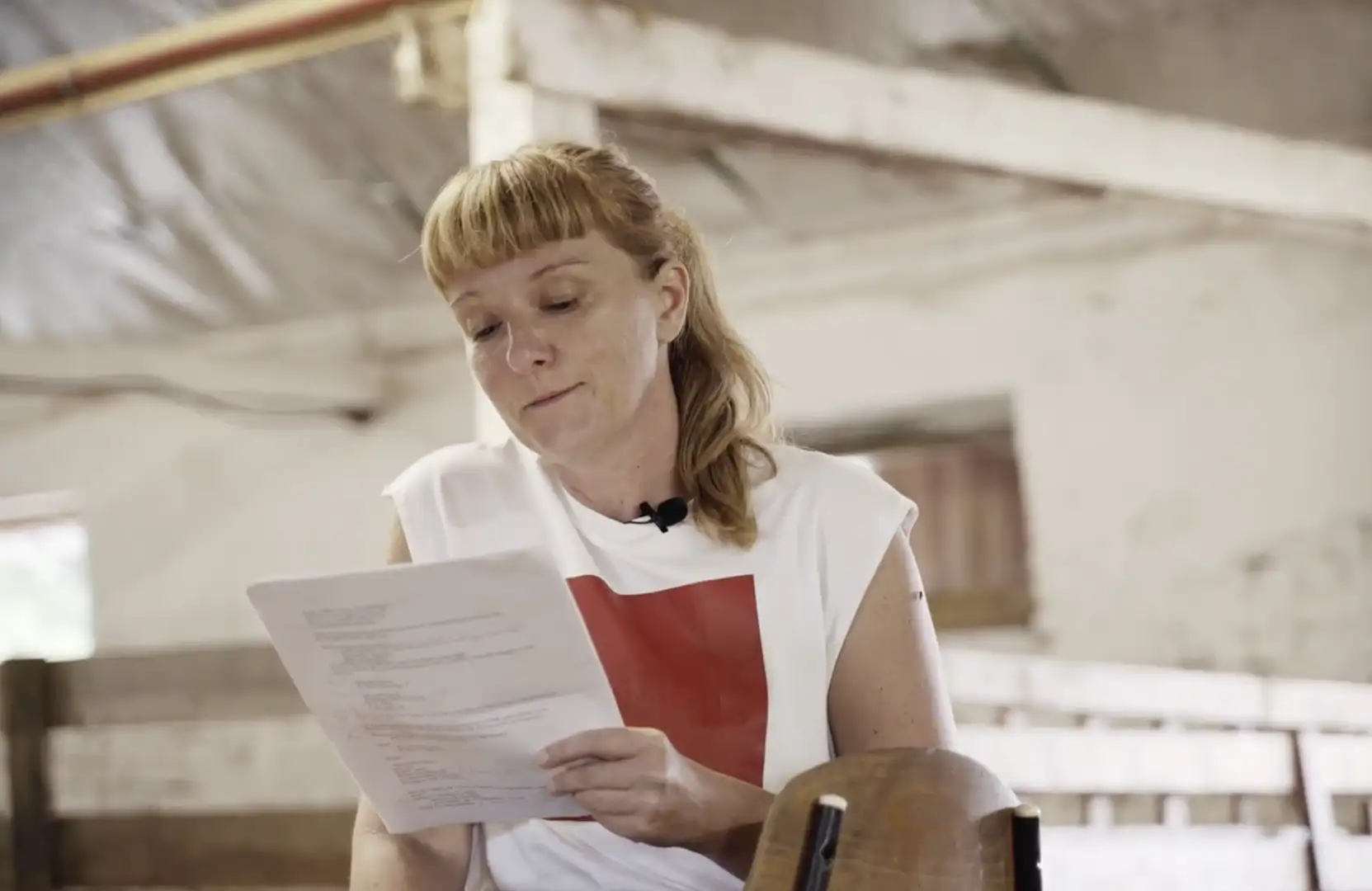
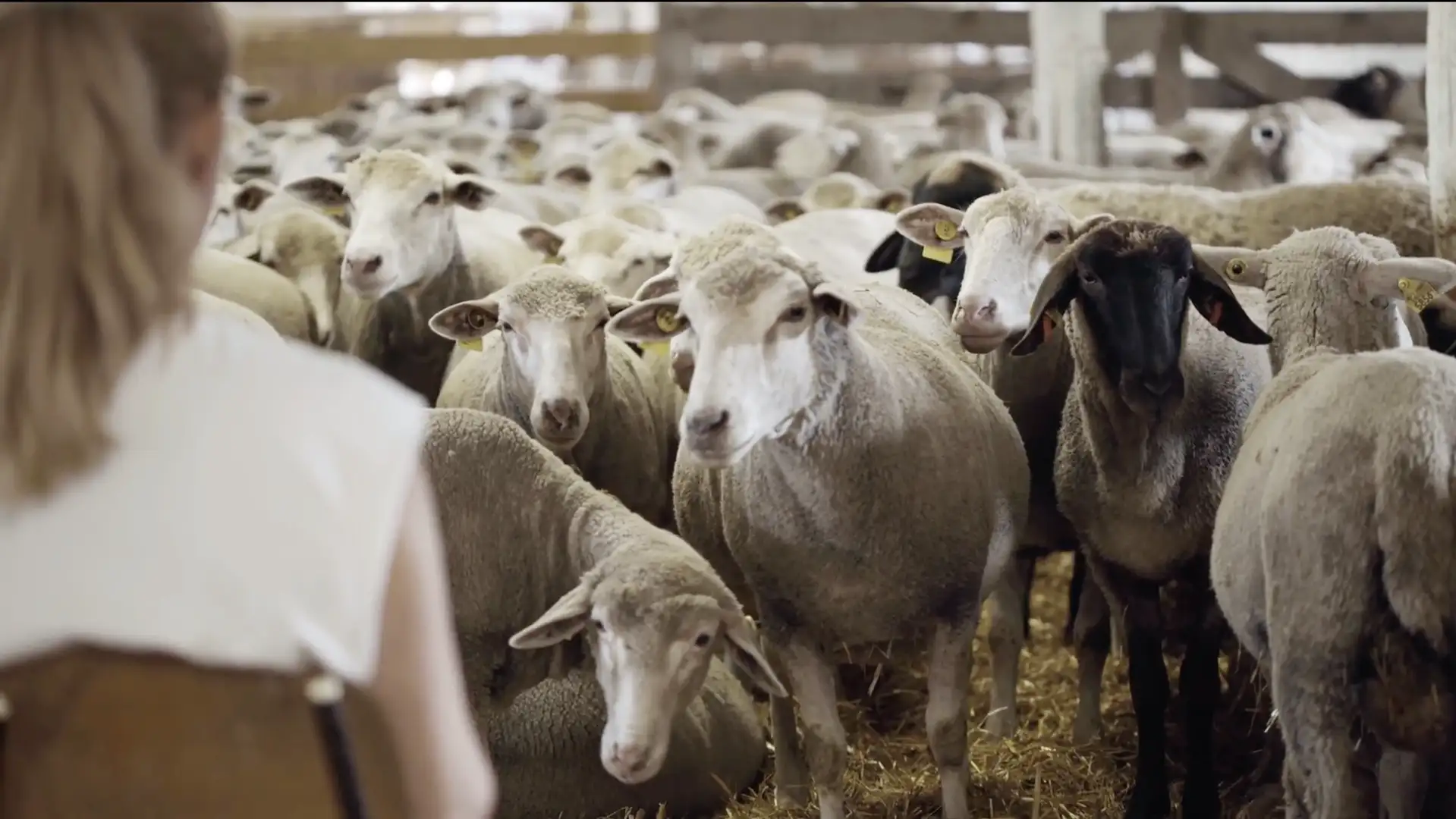
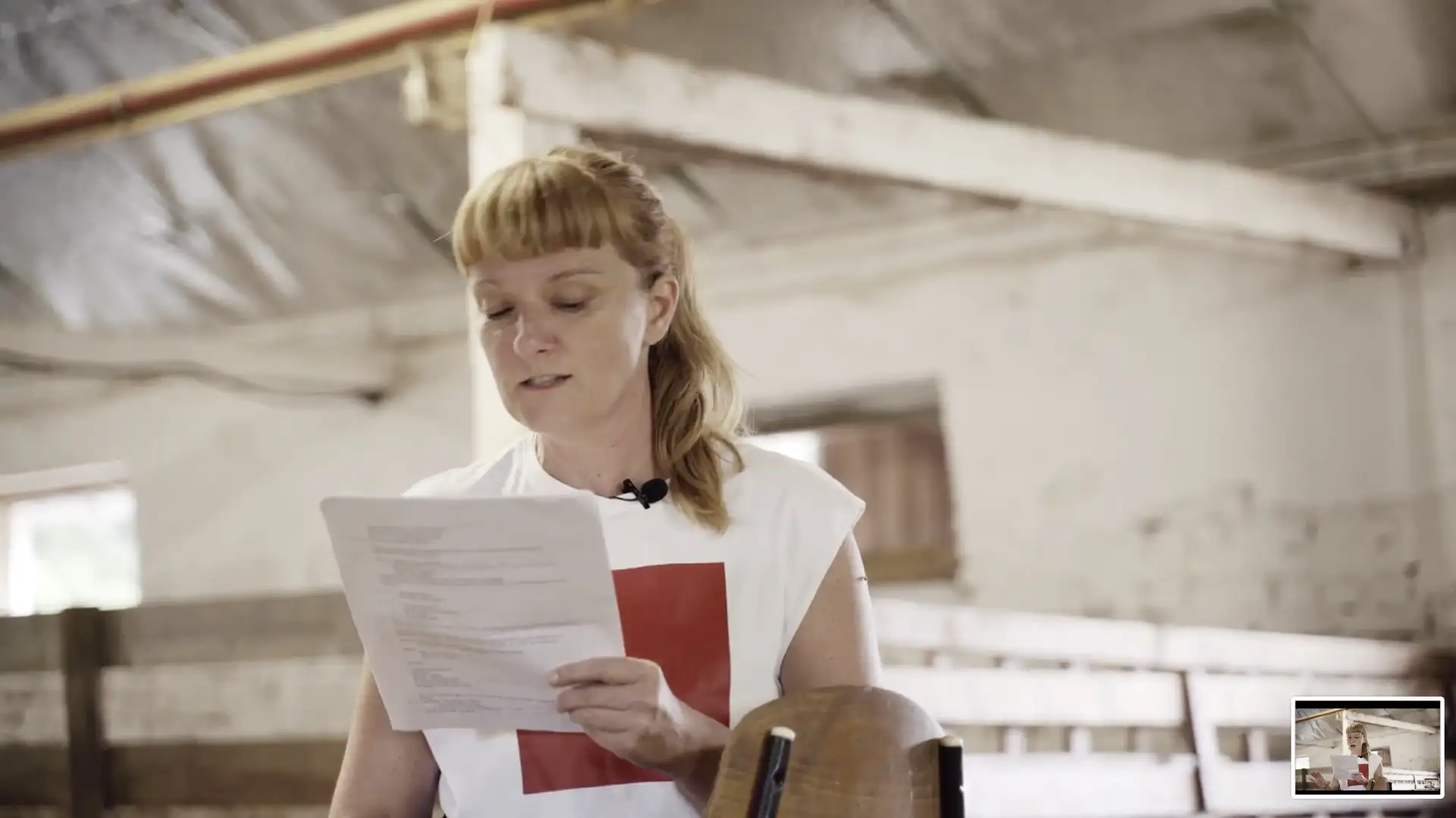
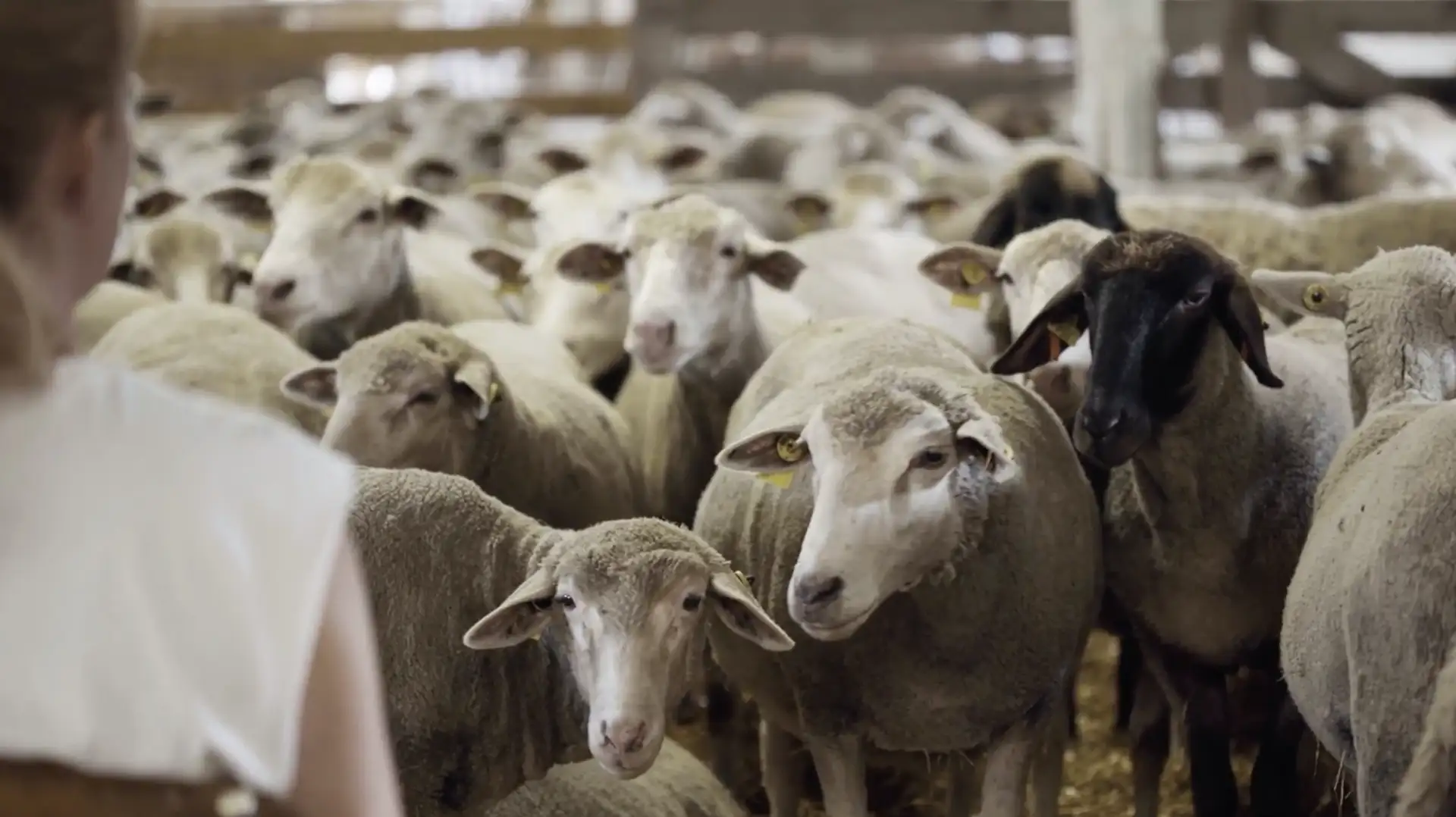
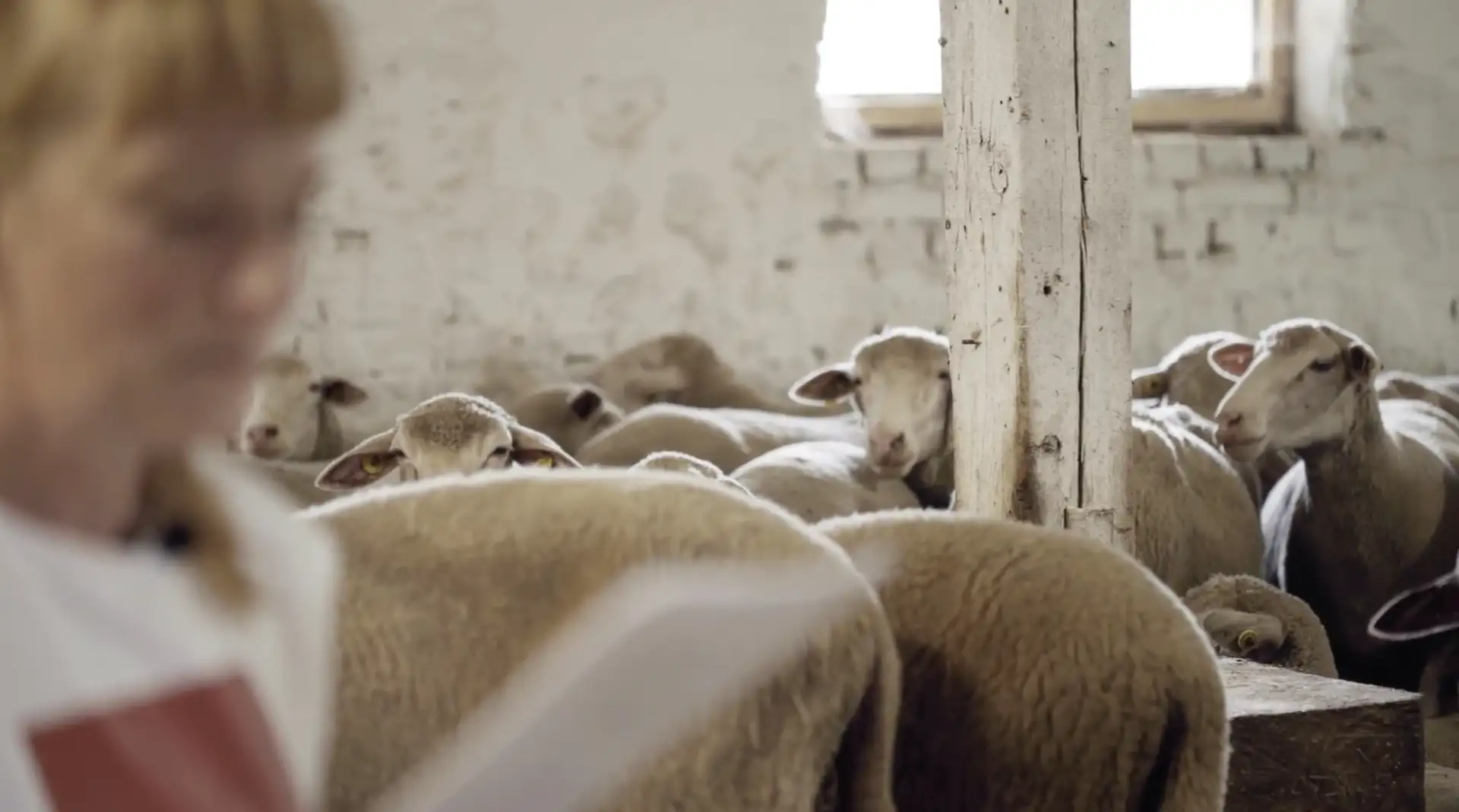
At the centre of the installation is a three-channel video documenting a performance of Victory over the Sun presented to a flock of sheep. For the occasion, I translated the surviving libretto into Hungarian, replacing the original zaum neologisms with expressions drawn from contemporary digital language. The sheep become an alternative audience whose attentive yet puzzled reception echoes that of the opera's first spectators in 1913. Rather than reconstructing a historical work, Riseset, Victory of the Sun proposes a contemporary dialogue between modernist ideas of progress and an ecological understanding of coexistence, asking what it means today to claim a victory over the sun.
2021